“The gods create scents, men make perfumes” – Jean Giono
Throughout history, the use of incense and perfumes has played a significant role in various cultures and religious practices, serving as a bridge between the earthly and the divine. Even today, whether it is an act of personal piety, spiritual devotion, or simply our daily indulgences, the ritual of scent is one of the unique ways that we as humans reconcile our continual battle between our animal instincts and our unique role as Earthly stewards of spiritual catharsis. I wanted to share some insights into the practices of not only our ancestors but also contemporary rituals and how they have been proven to stimulate key chemicals within our brains, leading us to higher planes of spiritual health.
For me, whether it is the explosion of essential oils wafting from Lime Trees in the French countryside or the sweet and resinous odours that emanate from the ornate temples of Kyoto, the uplifting splash of a Private Blend perfume or the scent of a burning candle that warms both our homes and our hearts, scents have the primordial power to transform the ordinary into the extraordinary. They recall memories of love, lust, and contentment; they are a channel for us to connect to that inner voice that tells us that we alone are incapable of creating such majesty; they are truly medicine for the soul…
Honouring the Gods
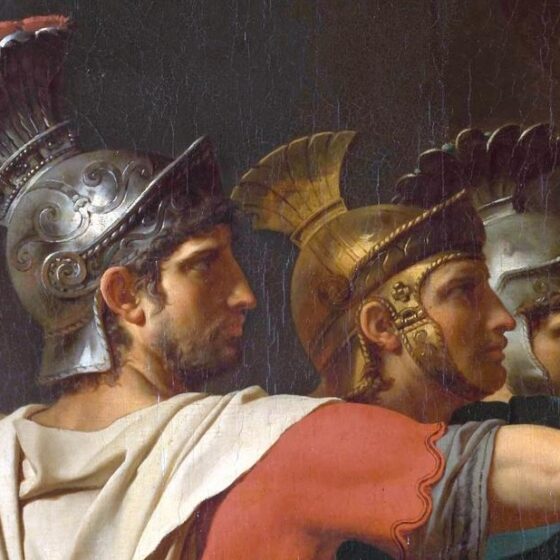
In Ancient Greece, incense and perfumes were integral to religious rituals and daily life. The Greeks believed that burning incense had the power to connect them with the divine. Each of the twelve Olympian gods was associated with specific herbs and aromatics, which were used in offerings and rituals to evoke their presence and favour.
- Zeus: Often associated with the oak tree, offerings to Zeus included incense made from the resin of the oak and sweet-smelling herbs like thyme.
- Hera: As the goddess of marriage, Hera was honoured with floral offerings, particularly roses and myrtle. These were used in rituals seeking her blessings for marital harmony.
- Poseidon: The god of the sea was appeased with offerings of salt and seaweed, often burned alongside fragrant herbs like rosemary and lavender to invoke calm seas.
- Demeter: The goddess of agriculture was honoured with barley and incense from dried grains mixed with honey and fragrant flowers like chamomile.
- Athena: This goddess of wisdom was associated with olive oil and incense made from myrrh and frankincense, both believed to enhance clarity of thought.
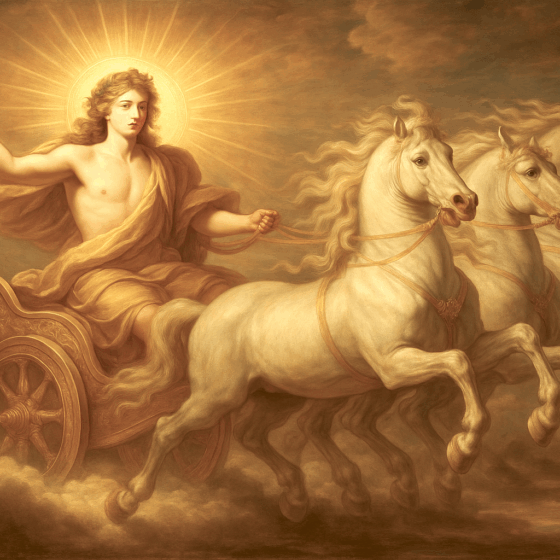
- Apollo: The god of music and prophecy was honoured with laurel leaves and incense from aromatic trees, particularly cedar and pine, used during oracles and musical performances.
- Artemis: As the goddess of the hunt, offerings included wildflowers and incense from herbs like sage and juniper, which were believed to purify the spirit.
- Ares: This god of war was associated with strong scents, such as bloodroot and black pepper, which were burned to invoke strength and bravery.
- Aphrodite: The goddess of love was celebrated with perfumes made from roses, jasmine, and other floral scents that were believed to enhance attraction and desire.
- Hephaestus: The god of craftsmanship was honoured with incense from wood and metal shavings, symbolising creation and innovation.
- Hermes: As the messenger of the gods, Hermes was associated with both incense and perfumes made from mint and citrus, which were thought to facilitate communication.
- Hades: The Lord of the Underworld was honoured with offerings of bitter herbs and dark resins, symbolising the transition between life and death.
Burning incense allowed the Greeks to invite the gods into their realms, allowing them to partake in their offerings. These rituals often included prayers, hymns, and the pouring of libations. The smoke was believed to carry the prayers to the heavens, making it a vital component of worship and civic duty.
The Greeks also understood the psychological effects of fragrance. Aromas were thought to elevate the spirit and foster a connection with the divine. This belief is supported by modern neuroscience, which shows that scents can stimulate the release of neurochemicals such as dopamine and serotonin, enhancing mood and emotional well-being. The deathless ones of Olympus also served as moral and ethical guides on our mortal path to happiness. Therefore the sensory recall created by burning incense and plants associated with a particular deity helped our ancient ancestors fuse with their patron god’s moral fibre.
Ancient Rome
The Romans inherited many Greek practices regarding incense and perfumes but elevated them to new heights of sophistication. Incense was not only used in religious ceremonies but also in public and private life as a means of promoting health and well-being.
In Roman temples, incense was burned to honour the gods, much like in Greece. The most common incense included frankincense, myrrh, and various aromatic woods. The rituals often involved priests who would burn incense on altars, accompanied by prayers and hymns, to invoke the deities’ favour.
The Romans believed that certain scents had specific powers. For example, the scent of lavender was thought to promote relaxation and peace, making it a popular choice during ceremonies to honour Venus, the goddess of love. Similarly, myrrh was common in funerary rites, as it was believed to assist the departed in their journey to the afterlife.
In addition to religious practices, Romans used perfumes in everyday life, often applying them before social gatherings or public appearances. The act of wearing perfume was seen as a way to enhance one’s status and charm. I believe that even today through the lens of luxury and commercial fragrances, we choose to perfume our homes and our bodies to evoke certain qualities within us; a light floral spiked with citrus and vanilla to bring a sense of playfulness to a summer dinner party…a bold and powerful blend of oud, sandalwood and pepper to confirm to the board of directors who is in charge. The meat act of wearing a fragrance today is as ritualistic and empowering as burning sacred plants to the Gods. This is why the fragrance industry represents $59 Billion in annual revenue and is one of the most profitable and thought-provoking voices of the luxury world today.
Japan
In Japan, the use of incense (kō) has a long and storied history, deeply intertwined with cultural practices, religious rituals, and aesthetics. The art of incense has been revered since ancient times, with specific ceremonies developed around its use, particularly in Zen Buddhism and Shinto practices.
In Japanese culture, the burning of incense is not only a sensory experience but a meditative practice. The Japanese have developed specific ceremonies around incense, such as “kōdō” (the way of incense), which emphasises the appreciation of fragrance, sound, and sight. This practice is akin to a tea ceremony, where participants engage in a mindful experience, contemplating the nature of scent and its ephemeral beauty.
Incense is often used in religious rituals in Shinto shrines and Buddhist temples. In Shinto, incense is offered to kami (deities or spirits) to purify the environment and invite divine presence. The smoke is believed to carry prayers and offer a form of communion with the spiritual world. In Buddhism, incense is used as part of the daily ritual, symbolising the impermanence of life and the act of purification.
Specific types of incense are associated with different occasions. For instance, sandalwood and agarwood (aloeswood) are often used in temples during meditation and prayer, believed to create a sacred atmosphere conducive to spiritual reflection. The calming properties of these fragrances help practitioners focus their minds and elevate their spiritual experience. The calming scent of sandalwood, for example, can promote relaxation and alleviate anxiety, making it a popular choice in meditation practices.
Christianity
Taking many of its customs from Ancient Greece and Rome, the Christian use of incense has a rich history, symbolising prayer, purification, and the presence of God. Incense is used in various forms of Christian worship, from Roman Catholicism to Eastern Orthodoxy, emphasising its significance in connecting the earthly realm with the divine.
In liturgical settings, such as Mass, incense is often burned in a censer during specific moments of the service. This practice is rooted in biblical traditions, where incense was used in the Tabernacle and later in the Temple in Jerusalem. The Book of Exodus describes God instructing Moses to create a special blend of incense for worship, highlighting its sacred nature.
In addition to its use in worship, incense symbolises the prayers of the faithful rising to heaven. This belief is derived from passages in scripture, such as Psalm 141:2, which states, “Let my prayer be counted as incense before you, and the lifting up of my hands as the evening sacrifice.” This connection reinforces the idea that the act of burning incense serves as an offering to God, enhancing the spiritual experience of worshippers.
The aromatic resins used in Christian incense typically include frankincense and myrrh, both of which have historical and theological significance. Frankincense, often associated with divinity, was one of the gifts presented to the infant Jesus by the Magi, symbolising His divine nature. Myrrh, traditionally used for burial, signifies Christ’s humanity and foreshadows His suffering.
The Role of Neurochemicals
Fragrance interacts with the olfactory system, which is directly linked to the limbic system in the brain, the region responsible for emotions, memories, and motivation. When we inhale aromatic molecules, they trigger a cascade of neurochemical responses that can influence our mood and emotional state.
- Dopamine Release: Certain scents, such as vanilla and citrus, are known to stimulate the release of dopamine, a neurotransmitter associated with pleasure, reward, and motivation. This response can elevate our mood, encouraging feelings of joy and contentment, which are often sought in spiritual practices.
- Serotonin Production: Aromas like lavender and rosemary have been shown to enhance serotonin levels, contributing to reduced anxiety and increased feelings of well-being. This effect can be particularly beneficial in spiritual settings, where participants seek peace, clarity, and connection to the divine.
- Cortisol Reduction: Research indicates that exposure to certain scents can lower cortisol levels, the hormone associated with stress. Lower cortisol levels can enhance relaxation and create a more conducive environment for spiritual contemplation and worship.
- Memory and Emotion: The connection between scent and memory is particularly strong due to the proximity of the olfactory bulb to the hippocampus, the brain region involved in memory formation. This means that specific fragrances can evoke powerful memories and emotions, enhancing the spiritual experience by allowing individuals to connect with past moments of faith or divine encounters.
SPIRITUAL ELEVATION THROUGH AROMAS
The use of incense and perfumes transcends mere ritualistic practices; it fosters deeper spiritual elevation and engagement. The sensory experience of fragrance can create a heightened awareness of the present moment, allowing worshippers and practitioners to immerse themselves fully in their spiritual activities. This is particularly evident in practices like meditation, prayer, and contemplation, where the calming and uplifting effects of certain aromas facilitate a deeper connection with the divine.
Ritual Sanctity: The sensory act of burning incense or wearing perfume during rituals elevates the experience, marking it as sacred and significant. This sanctity is crucial in monotheistic religions, where rituals often aim to establish a direct link with God or the divine.
Enhanced Focus: The right fragrance can enhance concentration and mindfulness, allowing practitioners to focus on their prayers or meditative practices without distraction. For example, the use of sandalwood in meditation not only calms the mind but also keeps practitioners grounded in the moment.
Facilitated Connection: In religious rituals, the act of burning incense can serve as a tangible reminder of the divine presence. The rising smoke symbolises prayers being carried to the heavens, creating a sense of intimacy with the sacred. This physical manifestation of spiritual intent can deepen one’s faith and sense of belonging within the religious community.
Emotional Resonance: Aromas can evoke a range of emotions, from tranquillity and joy to nostalgia and reverence. This emotional resonance can lead to transformative experiences, allowing individuals to feel a profound connection to their spirituality and community.